From the beginning, the onboarding process was straightforward, professional, and very collaborative. What stood out to me was the team’s willingness to listen and take the time to understand how we operate, where our challenges were, and what we were actually trying to accomplish. Rather than coming in with a predetermined approach, they worked with us to understand our requirements and develop a process that fit our needs. Communication has remained open and responsive throughout the relationship, and it has genuinely felt like a partnership.
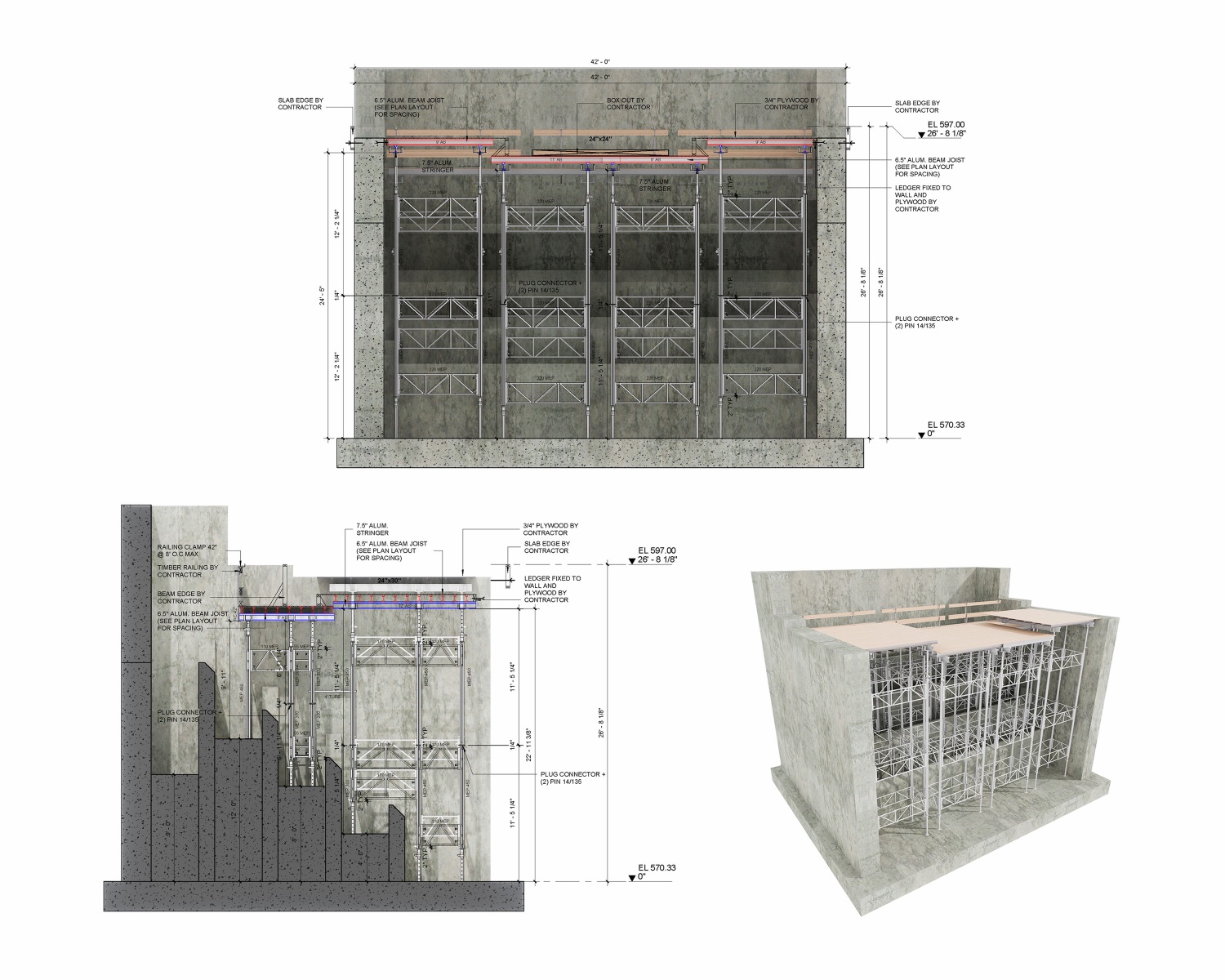
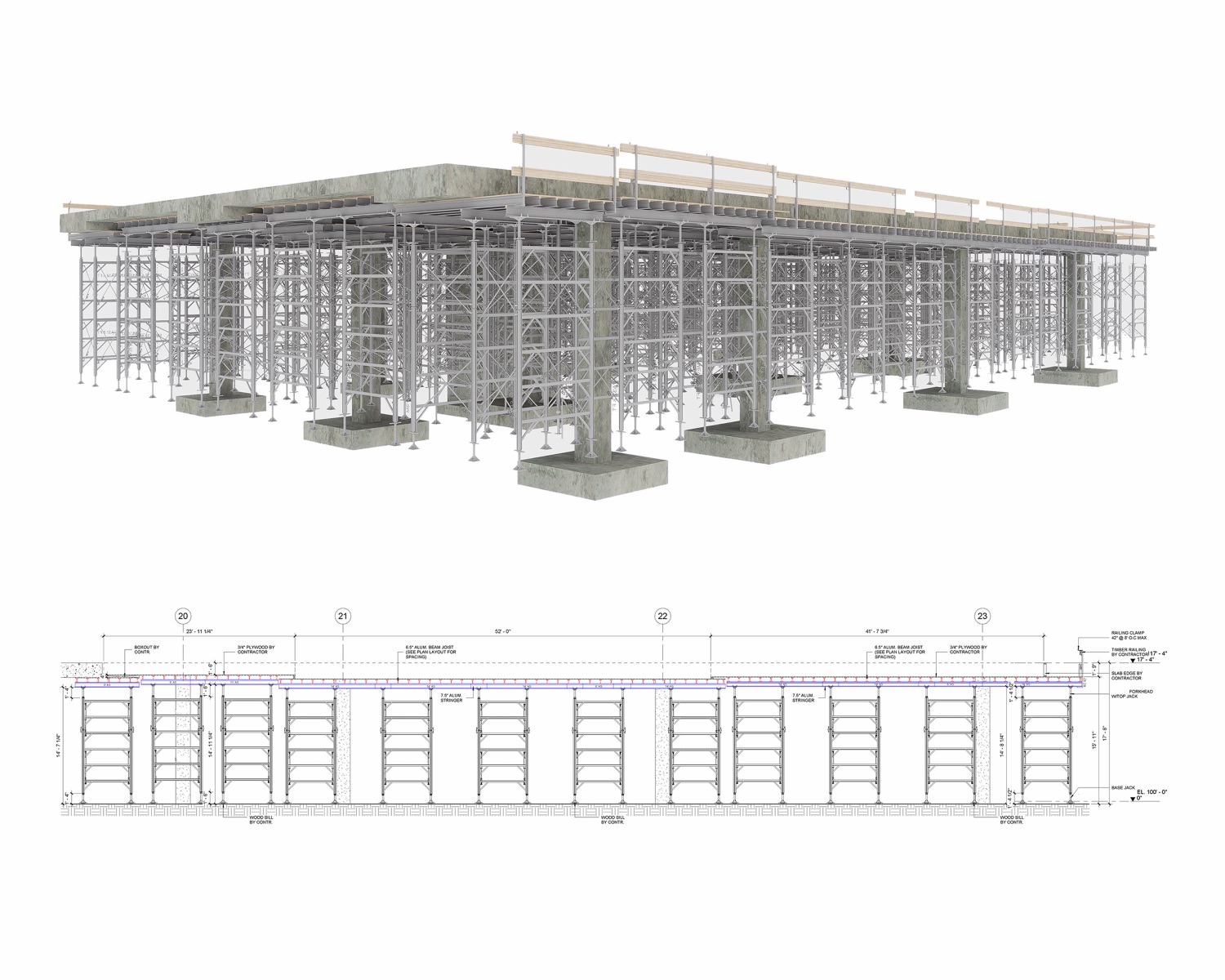
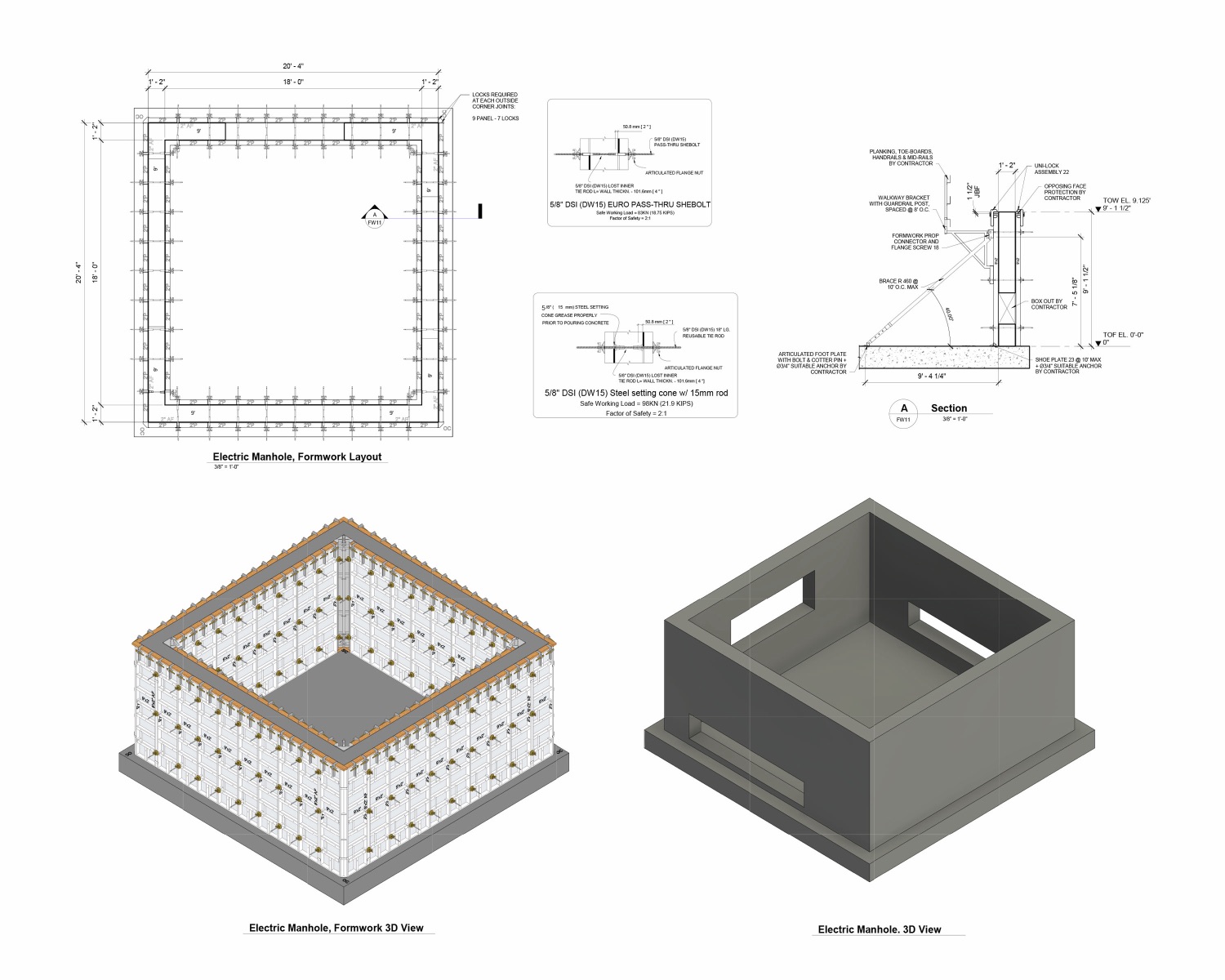
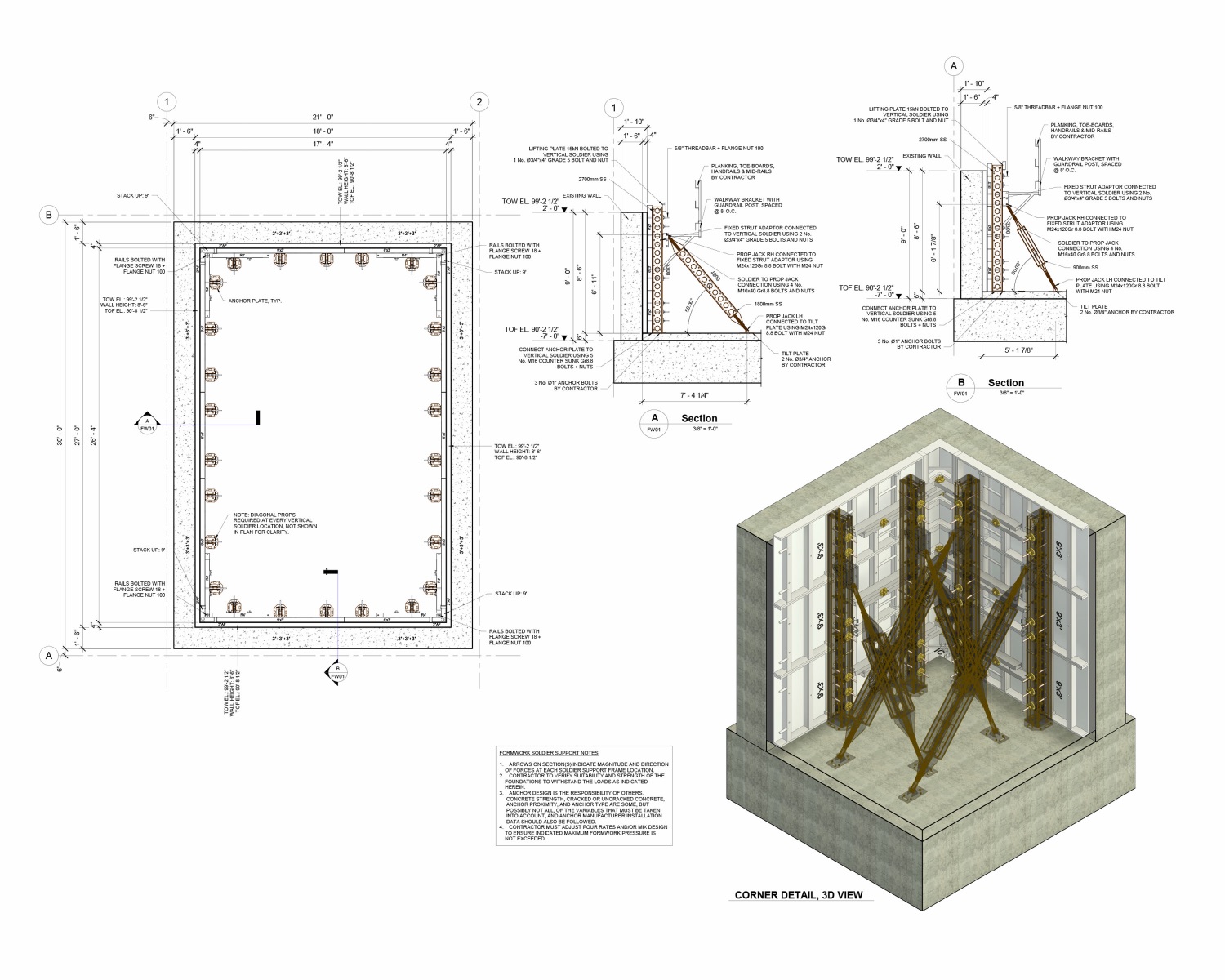
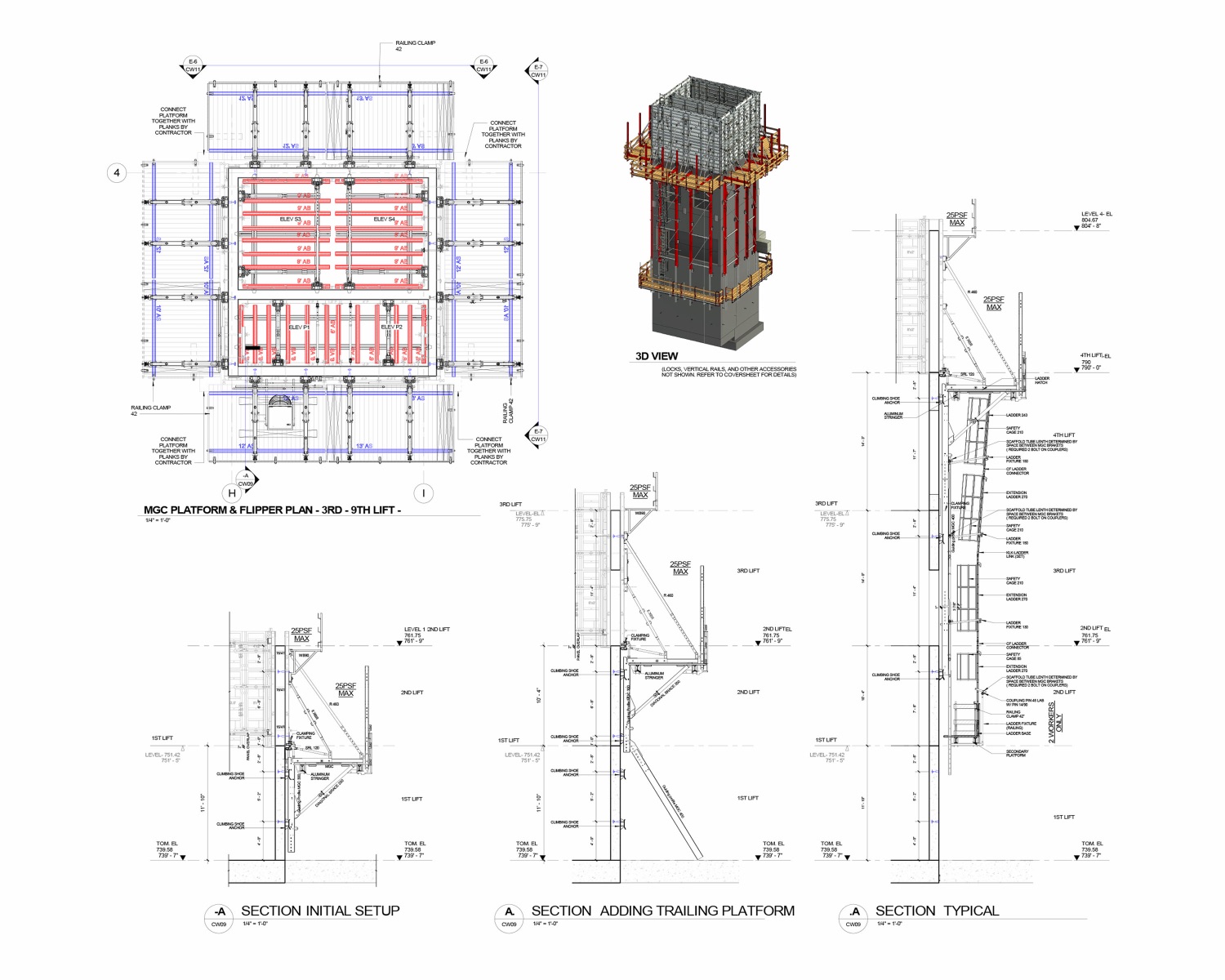
Another significant strength is the team’s solid knowledge of formwork and shoring systems. That industry experience gives them a strong technical foundation that they can build upon when introduced to a new system. Because they already understand the fundamental principles, terminology, applications, and challenges associated with formwork and shoring, they are able to learn new systems and incorporate that knowledge into their designs more effectively.
Just as importantly, they listen. They take into consideration what they learn through technical training, customer feedback, field experience, and changing market requirements, and apply that information when developing their designs. This helps ensure that the designs are not developed in isolation, but with an understanding of how the systems will actually be used and what our customers and the market expect from us.
The biggest impact has been helping our team work more efficiently and consistently. From an engineering and management perspective, having a design partner that understands the industry reduces the amount of time our team has to spend explaining fundamental concepts and allows us to focus more attention on higher-value engineering, problem solving, customer support, and project delivery. Ultimately, that helps us better support both our customers and our overall business goals.
If someone in the formwork and shoring industry were on the fence about working with the team, I would tell them to go ahead and discuss their needs. What separates them, in my experience, is that they are not simply providing drawings or completing a task. They understand the industry, listen to the people using the systems, learn new systems quickly, and incorporate training, customer feedback, and market requirements into their design approach. They are responsive to feedback, willing to adapt, and focused on producing practical designs that meet the needs of the customer and the project. That combination of industry knowledge, technical capability, and collaboration is what makes the relationship valuable and why I would feel comfortable recommending them to others in our industry.

 Andrew Lloyd, PE
 Mark Chaplain
 Cristhian Garzon